
Use a 360 camera (Insta360 X5) or Regular Action Camera (GoPro or ACE Pro 2)?
The Insta360 X5, a 360-degree action camera, and regular action cameras like the Insta360 Ace Pro 2 and GoPro Hero 13 Black cater to different needs in action photography and videography.
Personally I use 360 cameras, if I had to choose just one.
Main difference: with more details and table in article below
- 360 cameras are shoot now and frame/edit later but lower resolution when cropping, but you get to include anything you want around you and you dont have to focus on the framing while shooting so you can enjoy your experience
- Regular action cams are what you shoot is what you get so you have to focus on target while shooting but then you dont have to reframe/edit later and you get higher resolution

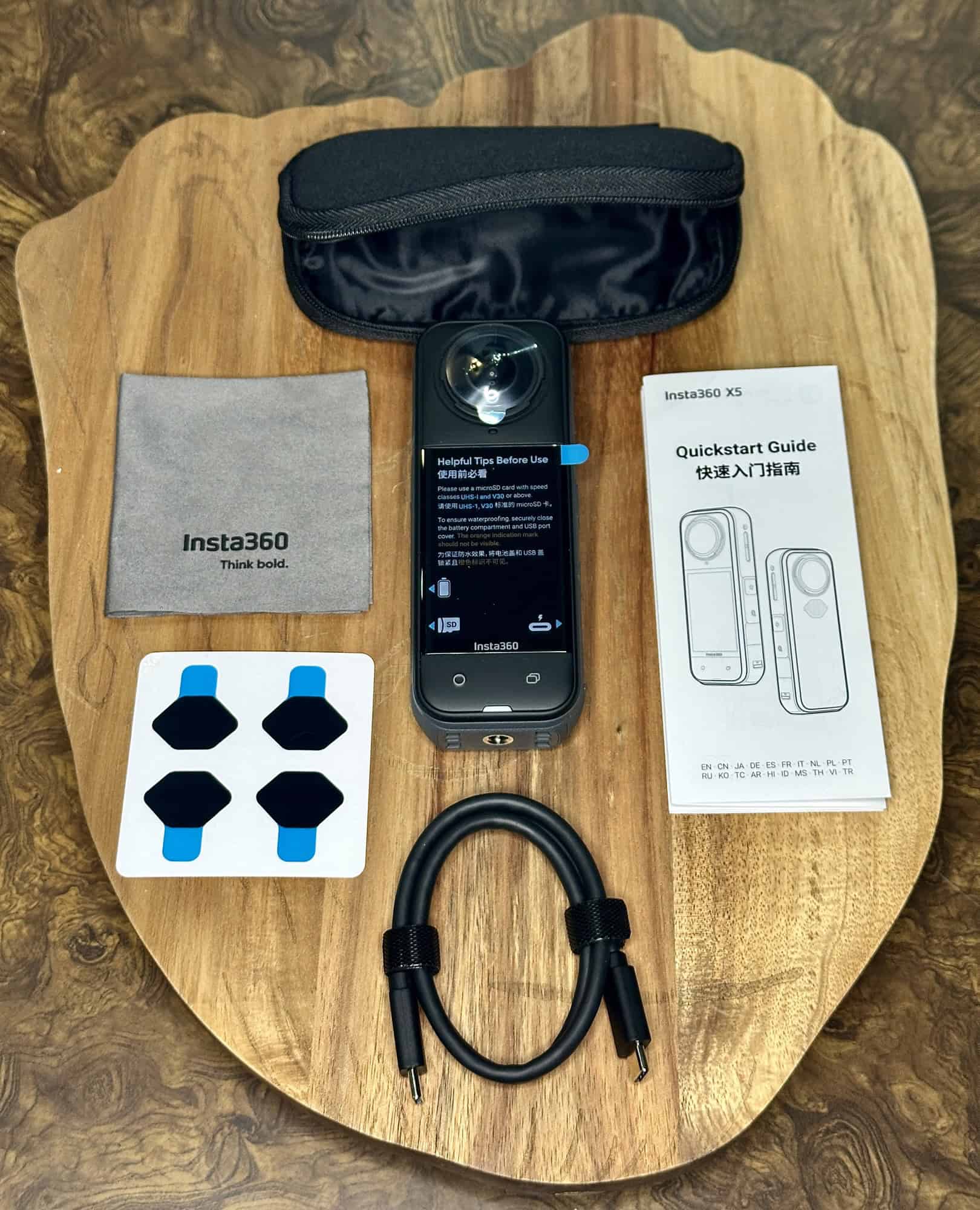
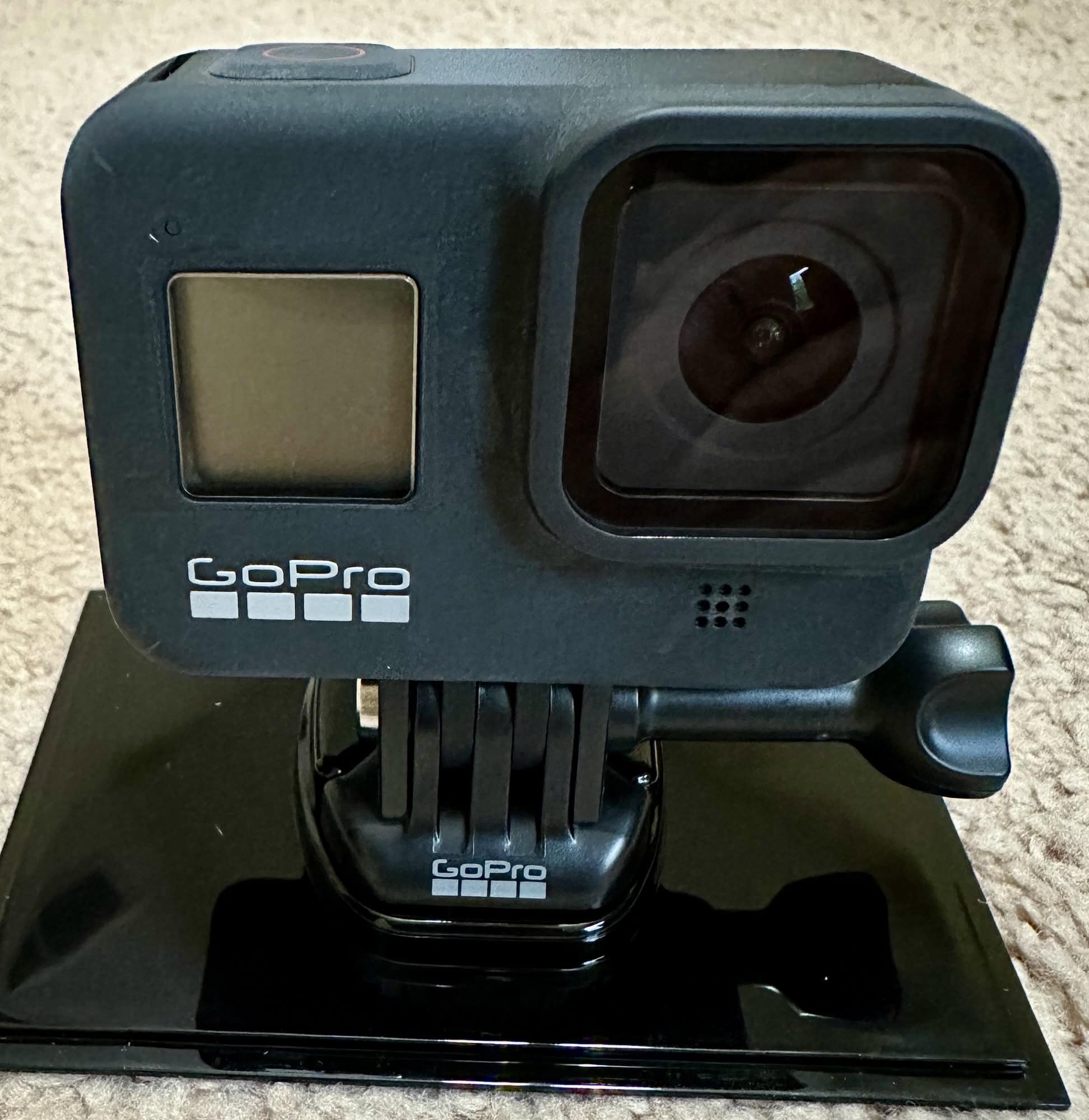
Advantages of 360-Degree Action Cameras Over Regular Action Cameras for Traveling
- Immersive Wide-Angle Capture: 360-degree action cameras, such as the Insta360 X3 or GoPro Max, record a full spherical view, enabling reframing to any angle or aspect ratio post-capture, ideal for expansive travel scenes like landscapes or markets, unlike regular action cameras like GoPro Hero models that are limited to a fixed wide-angle field of view.
- Creative Reframing and Effects: Built-in AI apps allow advanced editing, including “tiny planet” effects, panoramas, and unique perspectives, providing more creative freedom for travel videos compared to regular action cameras that require precise framing during shooting.
- Shoot-Then-Point Convenience: Users can capture everything around them without worrying about framing, reframing later to include missed moments or scenes behind them, reducing stress and allowing travelers to enjoy the experience, whereas regular action cameras demand “point then shoot” and risk missing shots.
- Superior Stabilization Without Accessories: Integrated electronic image stabilization eliminates the need for gimbals, ensuring smooth footage during activities like hiking or biking, offering cost savings and convenience over regular action cameras that may still benefit from but don’t always require extra equipment.
- Versatile Mounting and Durability: As action cameras, 360 models support unique mounts (e.g., bike, helmet, car) and are often waterproof (like the Insta360 X3), enabling dynamic travel shots in rain or water, similar to regular action cameras but with added 360 flexibility for immersive content.
- Cost-Effective Versatility: A single 360 action camera handles wide-angle, panoramic, vertical, and 360 shots without additional lenses, making it more versatile for travel vlogging than regular action cameras that may need mods or accessories for varied perspectives.
- Lightweight and Stress-Free Use: Compact and quick to set up, 360 action cameras like the Insta360 X5 allow casual walking with a selfie stick for effortless capture, promoting enjoyment of the trip, contrasting with regular action cameras that require more deliberate framing.
Advantages of Regular Action Cameras Like GoPro Over 360-Degree Cameras Like Insta360 X5 for Traveling
- Higher Effective Resolution for Fixed Shots: Regular action cameras, such as GoPro Hero models, concentrate resolution on a single field of view, delivering sharper and clearer photos and videos for travel stills, unlike 360 cameras where resolution is spread across a spherical area, potentially reducing detail.
- Better Low-Light Performance in Targeted Scenes: With sensors focused on a narrower view, regular action cameras perform stronger in low-light travel settings (e.g., cloudy days or dim markets), as the sensor isn’t divided over 360 degrees, though 360 models like the Insta360 RS 1-inch edition are improving in this area.
- Simplified Workflow and Quick Sharing: Regular action cameras produce ready-to-share content with minimal post-processing, ideal for fast-paced travel uploads, compared to 360 cameras that often require time-intensive reframing and editing for non-VR formats.
- Enhanced Lens Protection: Single-lens designs on regular action cameras are less protruding and easier to protect during travel, reducing damage risk, whereas 360 cameras’ dual lenses require manual covering and are more vulnerable.
- Focused Video for Specific Activities: Optimized for fixed-perspective forward action like skiing or surfing, regular action cameras provide straightforward, high-quality footage without the complexity of 360 editing, making them more practical for travelers prioritizing simplicity over immersion.
| Aspect | Insta360 X5 | Regular Action Cameras (Insta360 Ace Pro 2, GoPro Hero 13 Black) |
|---|---|---|
| Pros | Pros | Pros |
| Capture Type | 360-degree capture (8K at 30fps, 5.7K at 60fps); reframing flexibility, single-lens mode (4K). | Fixed wide-angle lens (157° Ace Pro 2, up to 177° GoPro); straightforward high-quality shots. |
| Image Quality/Resolution | 8K video, 72MP photos (1/1.28” sensors); slightly softer due to spherical capture. | Ace Pro 2: 8K video, 50MP photos (1/1.3” sensor); GoPro: 5.3K video, 27MP photos (1/1.9” sensor). |
| Low-Light Performance | Dual 1/1.28” sensors, large aperture, PureVideo mode; excellent for 360-degree night shots. | Ace Pro 2: 1/1.3” sensor, ~f/2.0; strong low-light. GoPro: 1/1.9” sensor, noisier in low light. |
| Stabilization | FlowState Stabilization, 360-degree Horizon Lock; smooth across all angles. | Ace Pro 2: FlowState; GoPro: HyperSmooth; excellent for fixed shots, GoPro may crop frame. |
| Durability/Design | IP68, 15m waterproof, replaceable lenses, 2.5” touchscreen; compact (200g). | Ace Pro 2: IP68, 12m waterproof, flip-up touchscreen (177g). GoPro: 10m waterproof, durable. |
| Ease of Use/Workflow | Intuitive controls, InstaFrame for quick sharing; 360-degree footage needs post-processing. | One-touch recording, minimal editing needed; Ace Pro 2’s flip-up screen aids vlogging. |
| Creative Features | Invisible selfie stick, bullet-time, tiny planet effects; ideal for VR and immersive content. | Cinematic stabilization, HDR modes; limited to fixed perspectives. |
| Battery Life/Storage | 2400mAh battery (~208min at 5.7K), microSD storage. | Ace Pro 2: 1800mAh (~112min at 4K), microSD. GoPro: ~120min at 5.3K, microSD. |
| Cons | Cons | Cons |
| Capture Type | 360-degree footage requires post-processing, less suited for quick sharing. | Fixed perspective limits creative reframing options. |
| Image Quality/Resolution | Slightly softer details due to spherical capture spread across wide area. | GoPro’s smaller sensor limits resolution and low-light performance compared to Ace Pro 2. |
| Low-Light Performance | Post-processing needed for optimal night shot polish. | GoPro’s smaller sensor produces noisier low-light footage. |
| Stabilization | Complex reframing may require additional editing time. | GoPro’s stabilization may crop field of view, reducing usable footage. |
| Durability/Design | Slightly bulkier than regular action cameras due to dual-lens design. | Non-replaceable lenses (Ace Pro 2, GoPro) may require replacement if damaged. |
| Ease of Use/Workflow | 360-degree editing workflow is time-intensive compared to regular cameras. | Less versatile for immersive or VR content creation. |
| Creative Features | Limited to 360-degree and single-lens modes, less optimized for standard shots. | Lack 360-degree creative effects like invisible selfie stick or tiny planet. |
| Battery Life/Storage | Higher battery consumption for 360-degree recording. | Shorter battery life for extended shoots compared to X5. |
| Cost | Higher price point limits appeal for users not needing 360-degree features. | Potentially cheaper since only one lens but not always |
Capture Type and Versatility
- Insta360 X5:
- Captures 360-degree footage using dual 1/1.28” sensors, recording a full spherical view (8K at 30fps, 5.7K at 60fps). This allows post-capture reframing to select any angle, aspect ratio, or perspective, ideal for immersive content like virtual tours or creative edits (e.g., “tiny planet” effects).
- Offers single-lens mode (4K at 60fps) for traditional action camera functionality, but its strength lies in 360-degree flexibility.
- Regular Action Cameras (Ace Pro 2, GoPro Hero 13 Black):
- Use a single wide-angle lens (157° for Ace Pro 2, up to 177° with GoPro’s Ultra Wide Lens Mod) to capture a fixed perspective, typically 8K at 30fps (Ace Pro 2) or 5.3K at 60fps (GoPro Hero 13 Black).
- Best for straightforward, high-quality shots like vlogging or action montages without extensive post-processing.
- Advantage: The X5’s 360-degree capture offers unmatched creative flexibility, while regular action cameras excel in simplicity and direct, high-quality output.
Image Quality and Resolution
- Insta360 X5:
- Delivers 8K 360-degree video (7680×3840) and 72MP photos (11904×5952), with larger 1/1.28” sensors improving dynamic range and low-light performance. However, the spherical panorama spreads resolution across a wider area, potentially resulting in slightly softer details compared to single-lens cameras.
- PureVideo mode enhances low-light performance with AI-driven noise reduction and dynamic range optimization.
- Regular Action Cameras:
- The Ace Pro 2 offers 8K video (7680×4320) and 50MP photos with a 1/1.3” sensor, providing sharper, more detailed images in a narrower field of view. The Leica-co-engineered lens enhances clarity and color accuracy.
- GoPro Hero 13 Black captures 5.3K video and 27MP photos, with excellent detail but smaller 1/1.9” sensor, limiting low-light performance compared to the Ace Pro 2.
- Advantage: Regular action cameras like the Ace Pro 2 provide sharper, more detailed images for fixed perspectives, while the X5 prioritizes immersive capture with competitive but slightly softer quality.
Low-Light Performance
- Insta360 X5:
- Benefits from dual 1/1.28” sensors and a large aperture (likely f/2.0 or better), paired with PureVideo mode for excellent low-light performance in 360-degree footage. Ideal for night action shots like urban exploration or starry timelapses.
- Regular Action Cameras:
- The Ace Pro 2’s 1/1.3” sensor and f/2.0 aperture (estimated) excel in low light, rivaling the X5 for night shots in a narrower field of view, with AI noise reduction for vibrant footage.
- GoPro Hero 13 Black struggles more in low light due to its smaller 1/1.9” sensor, producing noisier footage in dim conditions.
- Advantage: The X5 and Ace Pro 2 are closely matched for low-light action, with the X5 better for 360-degree night shots and the Ace Pro 2 for sharper single-perspective footage.
Stabilization
- Insta360 X5:
- Features FlowState Stabilization and 360-degree Horizon Lock, ensuring smooth, level footage regardless of camera orientation, perfect for dynamic activities like mountain biking or skiing.
- Regular Action Cameras:
- Both the Ace Pro 2 and GoPro Hero 13 Black use advanced stabilization (FlowState for Ace Pro 2, HyperSmooth for GoPro), delivering gimbal-like smoothness for fixed-angle shots.
- GoPro’s stabilization is highly effective but may crop the frame slightly, reducing the field of view.
- Advantage: The X5’s 360-degree stabilization offers flexibility to reframe stable footage, while regular action cameras provide comparable smoothness for fixed shots.
Durability and Design
- Insta360 X5:
- IP68-rated, waterproof to 15m, with replaceable, high-strength lenses for enhanced durability. Survives drops and impacts, making it as tough as traditional action cameras.
- Compact (46×124.5×38.2mm, 200g) with a 2.5” touchscreen for intuitive control.
- Regular Action Cameras:
- Ace Pro 2 is IP68-rated (12m waterproof), lightweight (177g), and features a flip-up touchscreen, with durable but non-replaceable lenses.
- GoPro Hero 13 Black is waterproof to 10m, rugged, and compact (similar size to Ace Pro 2), with a proven track record for durability.
- Advantage: The X5’s replaceable lenses give it a slight edge for long-term durability, while all three cameras are robust for action use.
Ease of Use and Workflow
- Insta360 X5:
- Intuitive touchscreen, gesture/voice controls, and “Twist to Shoot” simplify operation during action. However, 360-degree footage requires post-processing in Insta360 Studio or app, which can be time-intensive.
- InstaFrame mode records simultaneous flat and 360-degree video (1080p flat), streamlining quick sharing.
- Regular Action Cameras:
- Ace Pro 2 and GoPro Hero 13 Black offer one-touch recording and user-friendly interfaces, with minimal post-processing needed for polished, shareable content.
- Ace Pro 2’s flip-up touchscreen enhances framing flexibility for vlogging.
- Advantage: Regular action cameras are simpler for quick, ready-to-share content, while the X5 requires more editing for 360-degree output but offers creative flexibility.
Creative Features
- Insta360 X5:
- Enables unique effects like “invisible selfie stick,” bullet-time slow-mo, and tiny planet clips, ideal for immersive content creators, VR, or virtual tours.
- Reframing flexibility allows multiple perspectives from a single capture.
- Regular Action Cameras:
- Focus on traditional action shots with cinematic stabilization and HDR modes. Limited to fixed perspectives, lacking 360-degree creative options.
- Advantage: The X5’s 360-degree capabilities provide unparalleled creative freedom, while regular action cameras are better for straightforward, high-quality shots.
Battery Life and Storage
- Insta360 X5:
- 2400mAh removable battery lasts up to 208 minutes (5.7K at 24fps). MicroSD storage allows unlimited capacity with card swaps.
- Regular Action Cameras:
- Ace Pro 2’s 1800mAh battery lasts ~112 minutes (4K at 30fps), with removable battery and microSD support.
- GoPro Hero 13 Black has a similar battery life (~120 minutes at 5.3K), also with microSD storage.
- Advantage: The X5’s longer battery life is ideal for extended shoots, with all cameras offering flexible storage.
Cost
- Insta360 X5:
- Usually over $100 more expensive due to having 2 lenses
- Regular Action Cameras:
- Ace Pro 2 and GoPro Hero 13 Black similar price
- Advantage: Regular action cameras are more cost-effective for users not needing 360-degree features.
Conclusion
The Insta360 X5 excels for creators seeking immersive, flexible 360-degree content, offering unmatched creative possibilities, robust stabilization, and strong low-light performance for action scenarios like virtual tours or extreme sports. Its ability to capture everything and reframe later makes it ideal for complex edits or VR.
Regular action cameras like the Insta360 Ace Pro 2 and GoPro Hero 13 Black prioritize simplicity, delivering higher resolution, ready-to-share footage with minimal post-processing, perfect for vlogging or traditional action shots.
More article for cameras and accessories
Selfie sticks for 360 cams but can also be used for action cams
MicroSD card for Insta360 X5 ( also work for Ace pro and Gopro)
